The Most Important Thing
In his excellent book The Most Important Thing (2011), Howard Marks lists twenty different “most important” things. Some example chapters are “second level thinking”, “the relationship between price and value” and “being attentive to cycles”. All of them are what I would characterize as technical knowledge. Technical knowledge is knowing facts and principles. While all of these things are important, I believe there is something even more important than technical knowledge to excellent investing and excellence in general. It has to do with your process. The most important thing is learning from your mistakes.
Let me explain. Nobody starts out an excellent investor – or poker player, athlete, etc… Becoming excellent in any domain is a long process of deliberate practice and growth over time. Warren Buffett didn’t become a great investor until middle age. The first phase of his career was characterized by the application of the “cigar butt” value investing philosophy he learned from his mentor Ben Graham.
It was only through his reading of Phil Fisher and his friendship with Charlie Munger that he learned that: “It’s better to buy a wonderful company at a fair price than a fair company at a wonderful price.” Kobe Bryant shot three airballs at the end of his first playoff series as a rookie. Michael Jordan didn’t make the varsity high school basketball team as a sophomore – and he didn’t win his first NBA championship until his 7th year in the league.
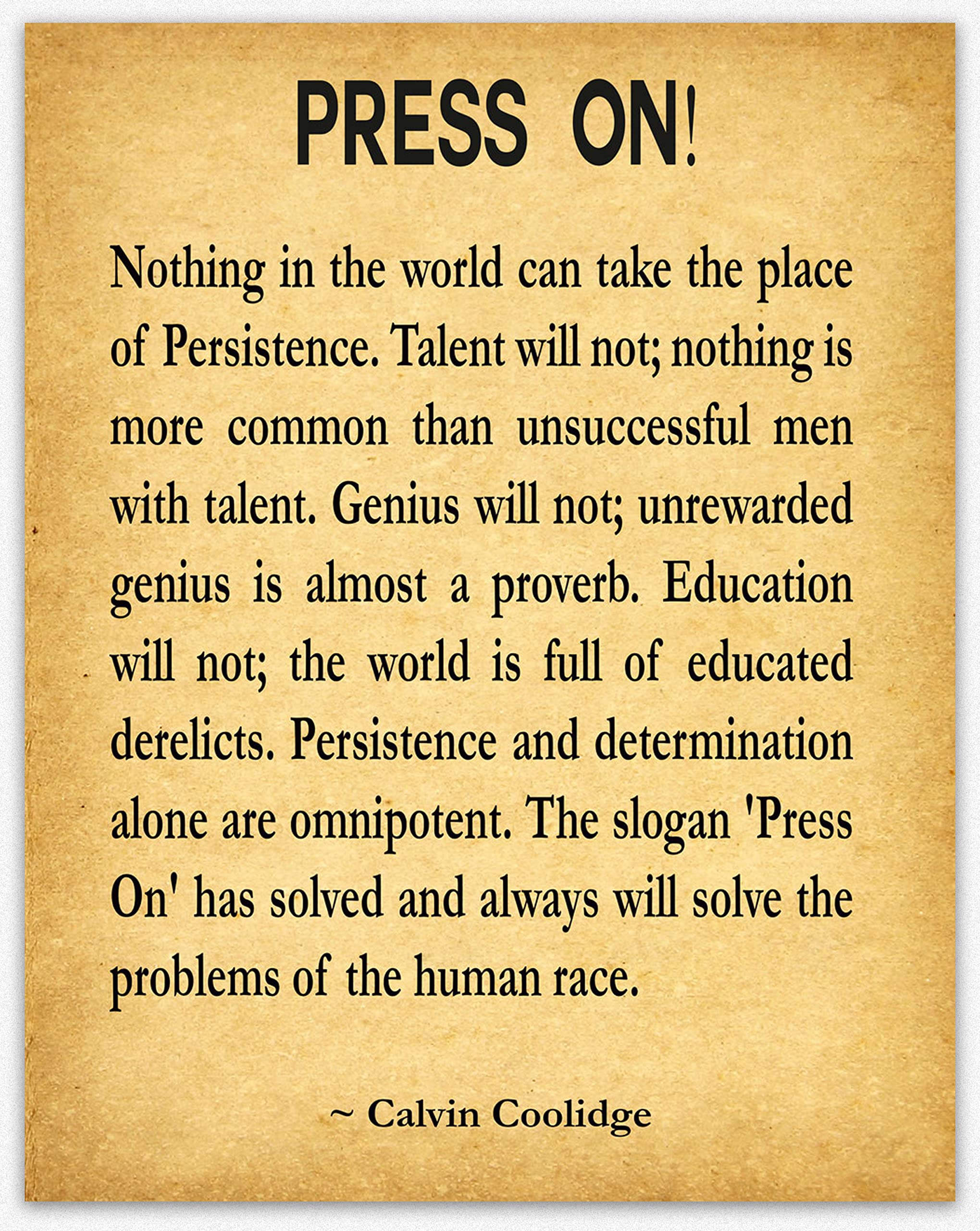
We tend to think that successful people are born with the innate characteristics that make them successful in their respective fields. And while it’s certainly true that some people have more natural aptitude at certain things than others, innate talent is never enough for the attainment of mastery. Skill has to be built and refined over years to result in mastery. “Nothing is more common than unsuccessful people with talent,” said Calvin Coolidge.
As a result, mistakes are inevitable. And while we all hate to make mistakes the truth is that learning from them is the key to getting better. Most people make the same mistakes over and over again and never learn from them. That’s because it’s painful to scrutinize our mistakes. As Einstein said: “The definition of insanity is doing the same thing over and over again and expecting different results.” What differentiates the masters from the also rans is the ability to learn from their mistakes.
Buffett makes fun of himself for how long it took him to learn Munger’s (and Fisher’s) lesson (25 years according to him) that quality stocks that can compound earnings over the long term are superior to cigar butts that are bad businesses that are nevertheless underpriced. But he eventually learned the lesson, put together the greatest track record in the history of investing and changed the game forever.
In my own journey, it’s only when I started to look at what was working and what wasn’t that I became a good investor. Before that, I was entrenched for years in my bearish outlook which nothing could penetrate. It’s only when I did the analysis that I realized that it wasn’t working and changed my strategy. (Also see “The Education of an Investor”, July 29, 2025).
In his book on skill acquisition The Practicing Mind (2012), Thomas Sterner introduces the acronym DOC. DOC stands for Do, Observe, Correct. The key to improvement is to become aware of what isn’t working and make adjustments. As you do this repeatedly, you remove leaks from your game which allows your strengths – what is working – to get the results you want without being counteracted by your mistakes. It’s an iterative process that compounds over time and it never ends.
After a lifetime interviewing and studying the greatest traders of all time, Jack Schwager titled the first chapter of his book The Little Book of Market Wizards: Lessons From the Greatest Traders (2014) “Failure Is Not Predictive”:
One of the surprises I found in doing the Market Wizards books was how many of these spectacularly successful traders started with failure. Stories of wipeouts, or even multiple wipeouts, were not uncommon (2).
There are two key lessons that can be drawn from this chapter.
First, failure is not predictive. Even great traders often encounter failure – and even repeated failures – earing in their careers. Failure at the start is the norm, even for those who ultimately become Market Wizards.
Second, persistence is instrumental to success. Most people faced with the types of failure encountered by the traders detailed in this chapter would have given up and tried some other endeavor. It would have been easy for the traders in this chapter to have done the same. Were it not for their relentless persistence, many of the Market Wizards would never have discovered their ultimate potential (7-8).
Also see “Long Term Thinking: The Key To Mastery”, May 8, 2025